
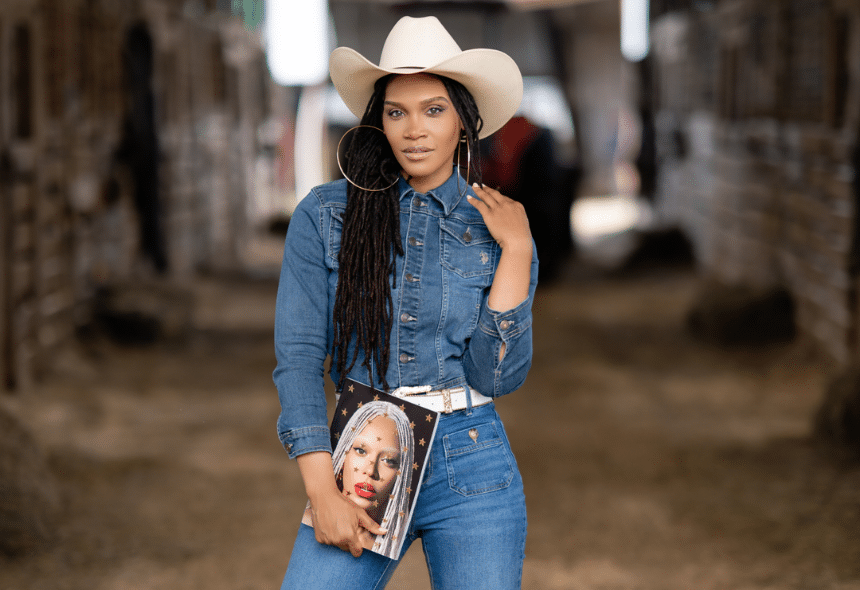
Cowgirl Candace is a fourth-generation Georgia farmer, award-winning agriculture and outdoor adventure writer, and cultural storyteller redefining how rural America is seen, heard, and understood worldwide. Raised on her family’s centennial homestead, Edward Hill Farm, Candace brings lived experience, historical grounding, and creative rigor to every story she tells, bridging agriculture, outdoor life, and Black cowboy culture with authenticity and care.
A longtime member of the Outdoor Writers Association of America, Cowgirl Candace’s work spans brand partnerships, editorial features, and multimedia storytelling rooted in the American South. During 2025, her personal essay celebrating farm heritage and cowhand culture featured in Beyoncé’s Cowboy Carter Tour Book, traveling the world as part of one of the most influential cultural moments of the year. Profiling modern land stewards, collaborating with legacy outdoor brands, or helping to mentor women writers through OWAA’s group calls, Cowgirl Candace is committed to elevating stories that honor farming history, the people who work it, and the futures they’re building.
Before we step into the mechanics of craft, platforms and professional milestones, it helps to return to the place where Candace’s storytelling begins. Not at a byline or a brand brief, but in red Georgia soil. In family footsteps worn into the land. In the quiet education that comes from watching generations work the same fields in different ways. Her global reach is built on local memory.
The questions below move past résumé and recognition to the lived experiences, values and moments that shaped how she sees the world, and how she teaches it to see her back.
Tell us about your personal journey. How did your multigenerational farming background and connection to Black cowboy culture shape your identity as a storyteller and outdoor communicator?
Edward Hill Farm raised me. It’s the homeland my farming family still owns, stewards, and protects today. I grew up watching four generations move across our farmland in different but equally powerful ways. My Great-Grandma GG baked from scratch, ran a tight household, and was often found clotheslining in the backyard. My Grandpa Amos, a former USDA professional, shared his regenerative agriculture knowledge with me long before those practices became buzzwords. And my parents (true rodeo lovers) spent evenings in our home arena working calf roping and barrel racing drills.
My childhood wasn’t siloed. It was multitasking, a lot of movement, outdoor adventure, and joy, which was lived through multiple interpretations of homesteading and cowhand culture. That upbringing shaped how I tell stories today. I don’t romanticize the land. My editorial work honors it. I understand agriculture, outdoor life, and Black cowboy culture as lived systems, not mere aesthetics. My grounding is what allows me to communicate these stories with honesty and authority.
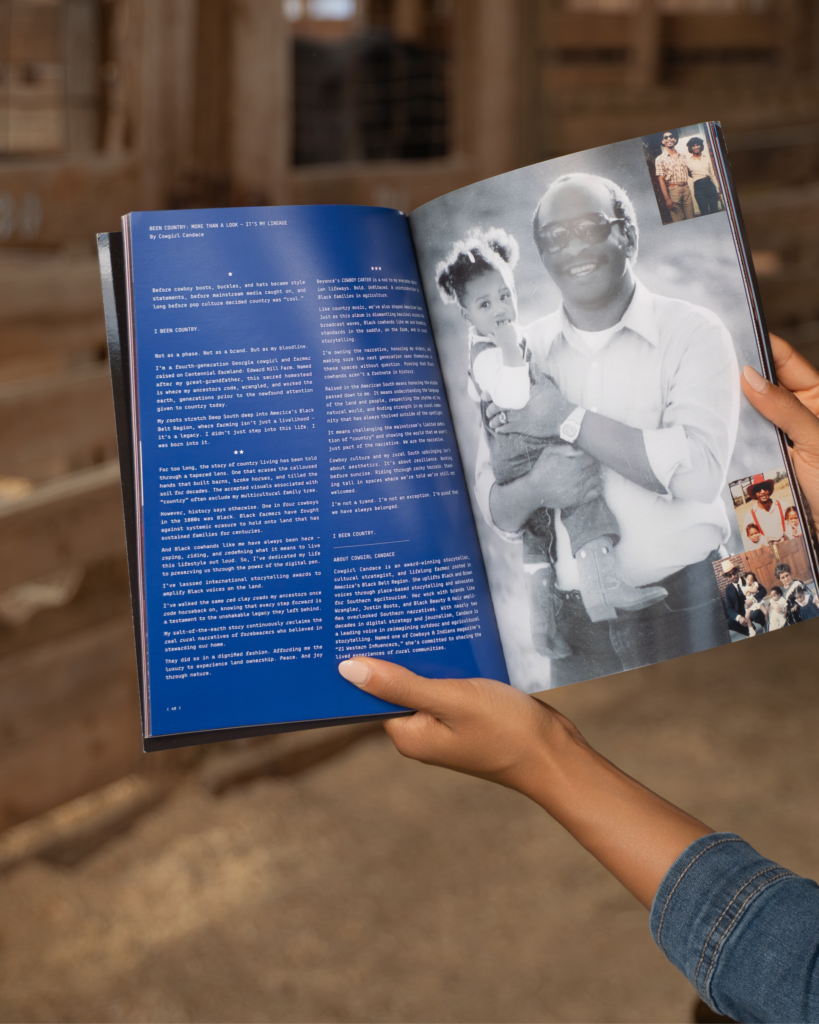
Your story was featured in Beyoncé’s Cowboy Carter Tour Book, a project that traveled the globe with one of the biggest cultural phenomena of 2025. Walk us through how that opportunity came together … from idea to execution … and what it meant to you personally and professionally.
GG always said: “You never know who’s watching.” That wisdom has guided my entire career. As a 20-year marketing and communications professional, intention sits at the core of my storytelling. My website, cowgirlcandace.com, is a digital front porch and space that invites conversation and collaboration while reflecting my real cowgirl and agricultural background.
Well, I check my business email routinely. During March 2025, I saw a message from the executive editor of Saint Heron Press, the creative agency founded by Solange Knowles (Beyoncé’s sister). The agency discovered my work and fourth-generation farming story. The Saint Heron team asked me to write a paid feature within a 72-hour turnaround centered on my American South lifestyle and themed “BEEN COUNTRY.” I was like: “Let’s Deep South do this.” We negotiated, contracted, and I delivered both the story and photography on deadline.
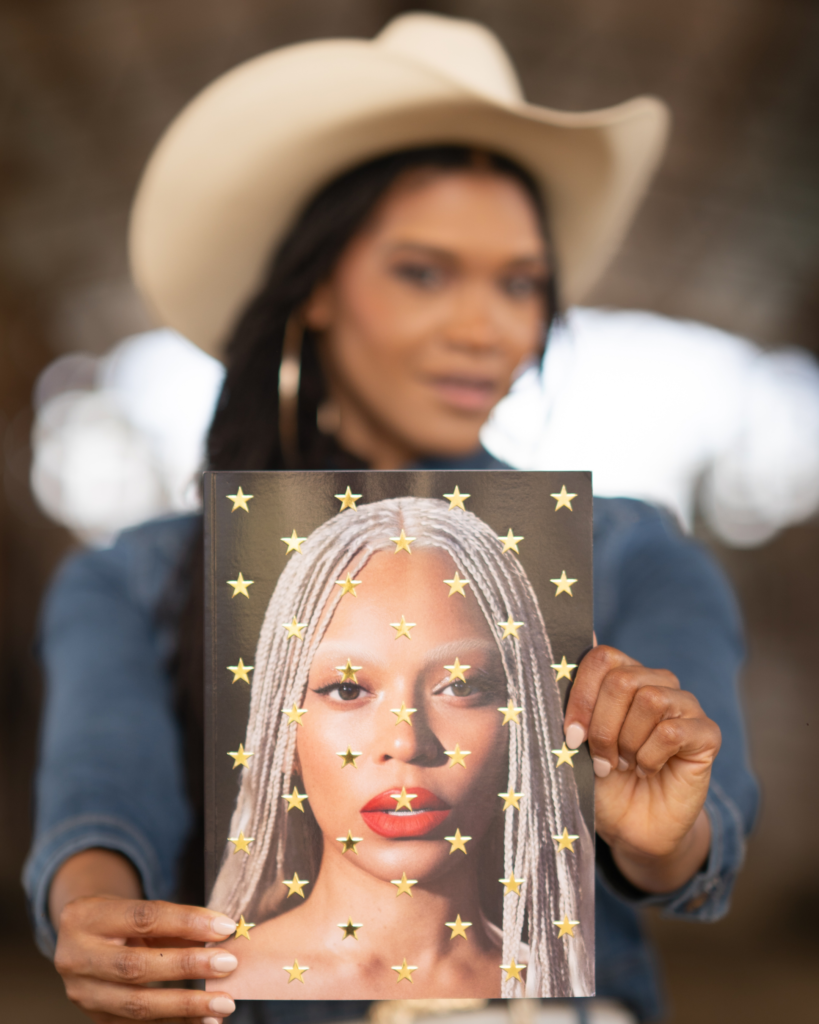
What I didn’t know was that the “luxury art publication” mentioned during our email exchanges would ultimately become the official Cowboy Carter Tour Book. My story traveled globally as part of a historic tour that grossed more than $400 million across 30-plus shows. I first found out through Instagram DMs — friends, family, and strangers messaging me screenshots from around the world. Saint Heron followed up with the good news as well. I felt fuzzy wuzzy in the best way. To know my farm family’s legacy was being celebrated on a global stage was deeply affirming. Professionally, it validated my belief that authentic, place-based storytelling can move through the world without losing its soul.
How do you approach telling stories about agriculture, outdoor life, and cultural heritage in ways that resonate both within niche communities and on global platforms? What techniques or philosophies guide your work? Give me one solid example of a specific piece you crafted and walk us through your process.
I go into every story from a human stance first. I’m not chasing trends at all. I’m translating universal experiences. Agriculture and outdoor life are about love, family, responsibility, resilience, and care. Those themes resonate everywhere. My narratives are “Sunday best” (how we stylishly show up for church) service to the world — researched, fact-checked, reported, interviewed, and written with purpose.
One example is my long-standing collaboration with Justin Boots. Together, we document Deep South farming and cowhand culture. During the height of the Cowboy Carter tour, I profiled Georgia farmer Kaneisha Miller. This farmers market mom is raising preschool twins while sustaining multigenerational land. I spent time on her farm; observed how she blended community, motherhood, and modern agribusiness; and translated that lived experience into a story that felt intimate, relatable, and scalable. The result? A Justin Boots × Cowgirl Candace feature that sparked meaningful engagement and showed what legacy land ownership can look like in today’s digital economy.
Representation matters, especially in traditionally underrepresented spaces like country culture and outdoor media. How has your work helped broaden audiences’ understanding of Black cowboy culture and the diversity of rural America? What challenges and opportunities have you encountered? Give us an example of at least one challenge and one opportunity.
I have the privilege of reintroducing — and sometimes correcting — the narrative around Black cowboy and agricultural contributions. We’ve always been here. What’s changed is visibility. One challenge is navigating stereotypes that still linger in editorial and brand spaces. There’s often an assumption that these stories are “niche,” when in reality they’re foundational. The opportunity, however, is immense. Digital platforms have allowed my work to reach global audiences and opened doors to brand partnerships that respect cultural truth. The sincere stories I publish expands the frame, showing multicultural rural lifestyles as innovative, joyful, skilled, and deeply rooted.
Visual imagery plays a significant role in outdoor and cultural storytelling. How do you collaborate with photographers, designers, and creative partners to craft images that elevate your narrative? Can you share a moment when visual storytelling changed how people engaged with your work? And what’s one photo you particularly love and why?
I study visual storytellers across social platforms, especially those rooted in authenticity and edge. Many of my strongest and coolest collaborations come from creatives in America’s Black Belt Region because these stories are their grandparents and neighbors, too. One pivotal moment for me was modeling for Wrangler alongside my farming friend Sedrick Rowe of Rowe Organics in Albany, Georgia, as part of an Earth Month 2021 campaign project. Seeing us represented — natural hair, denim, land-stewarding, fully ourselves — shifted how audiences engaged with my work. That imagery by Ivan McClellan (creative colleague, professional photographer, and now rodeo boss of the 8 Seconds Rodeo) told a bigger story: modern Black farmers as healthy, hip, and heritage-driven. It invited new audiences into a creative South they hadn’t fully seen before.
In your experience, what are two key elements of building trust and credibility (especially across cultures, communities, and industries) that might initially seem worlds apart)?
First: Show up prepared and consistent. Trust is built when people see you do what you say you’ll do. Repeatedly. Second: Honor the source before the spotlight. When communities know you’re protecting their story — not extracting it — credibility follows naturally.
For OWAA members and outdoor professionals who want to push beyond traditional markets and pursue unconventional or high-profile opportunities, what two pieces of advice would you offer? Are there mindsets, skills, or practices you believe are essential for success?
One: Build your digital front porch. Your online home should speak for you when you’re not in the room. Two: Practice saying yes before you feel “ready.” Skill grows through execution, not perfection. My mentor and marketing guru Lisa Bourne reminds me: “Progress over perfection.”
Looking ahead, what kinds of stories are you most passionate about telling next, and how do you see your work contributing to evolving the narrative of agriculture and outdoor life on both national and global stages?
I’m deeply invested in documenting modern land stewards: farmers, foresters, and outdoor professionals who blend heritage with innovation. I want to continue evolving the narrative of agriculture and outside adventures as dynamic, culturally rich, and globally relevant.
Follow Candace Cowgirl’s work
Instagram: @thecowgirlcandace
Are you an outdoor media professional?
Learn more about OWAA and apply for membership today.
OWAA provides resources to help our members flourish as outdoor communicators and establish themselves as industry leaders. We create opportunities to make valuable industry and personal connections, sharpen professional skills, showcase work and gain access to in-demand educational resources and mentorship opportunities. Individual member benefits include:
“I’ve been in a number of writer groups — travel writers, baseball writers, pro football writers, motorsports writers — and so far OWAA is far, far better than all of them in terms of welcoming, declaring and pursuing its mission, etc.”
– Matt Crossman